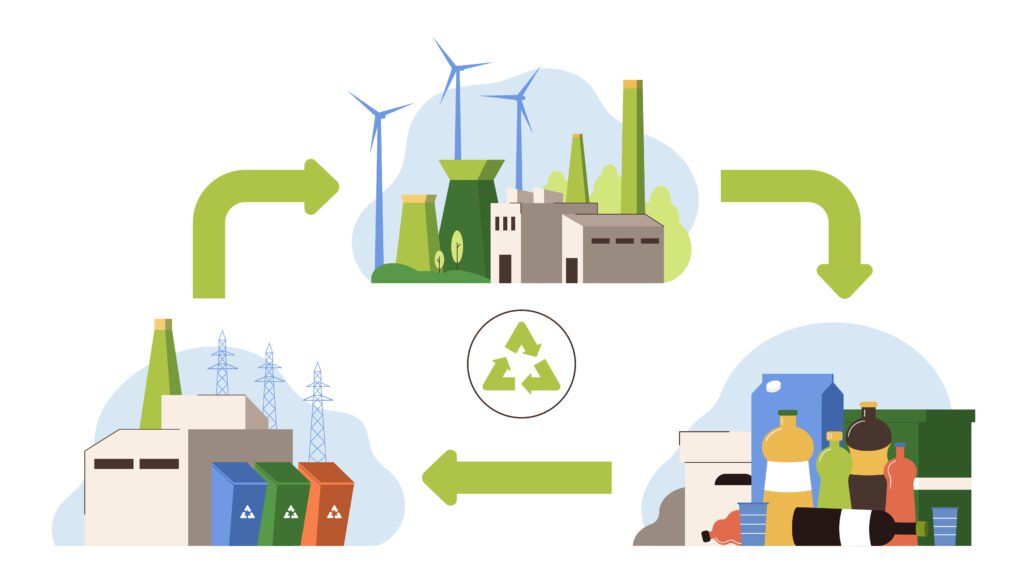
Waste to Energy Solutions for Industries: A Practical Guide
Industrial waste is no longer just a disposal problem it’s a missed revenue opportunity. Today, waste to energy solutions for
Industrial waste is no longer just a disposal problem it’s a missed revenue opportunity. Today, waste to energy solutions for
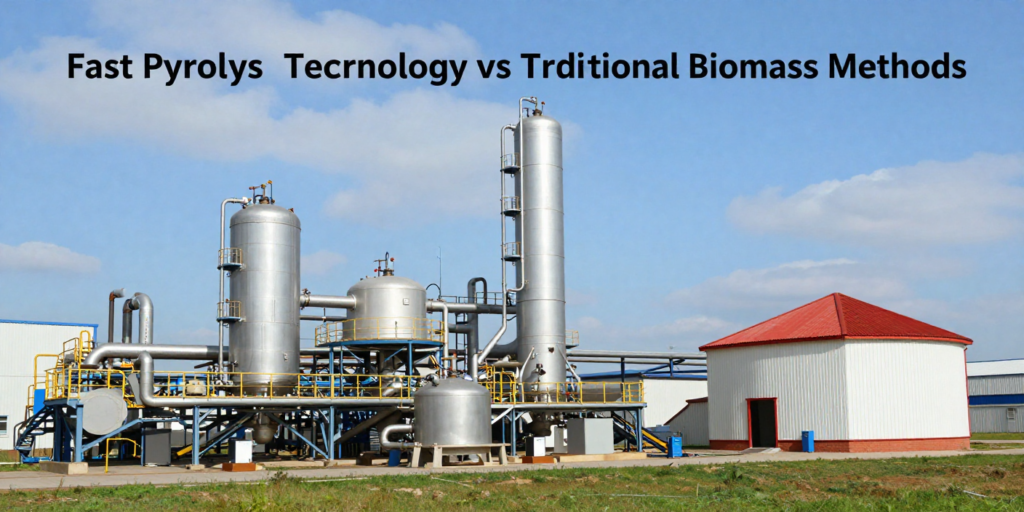
India is generating massive amounts of agricultural residue, forestry waste, and industrial biomass every year. For businesses, municipalities, and waste-to-energy
India is at a critical turning point where sustainability, energy demand, and waste management challenges are intersecting. As industries and
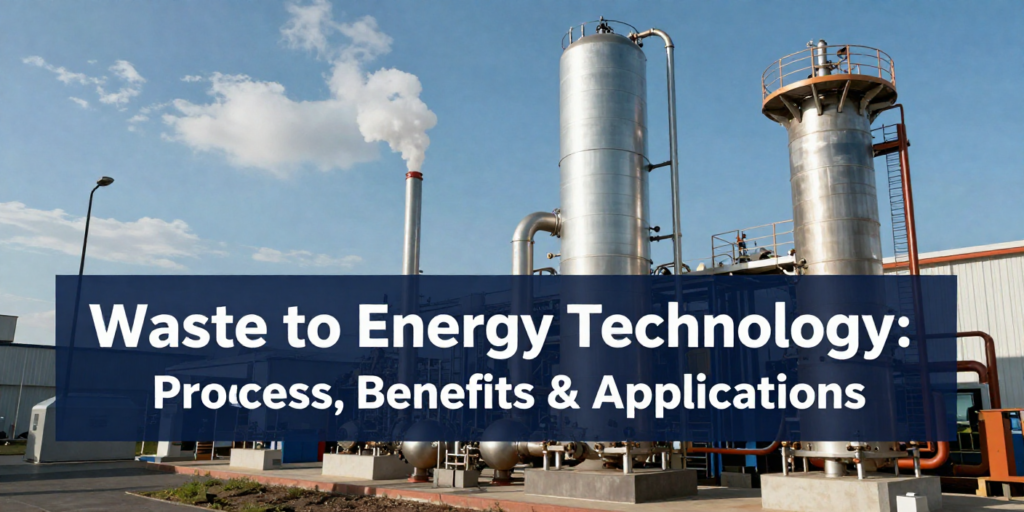
India is generating increasing volumes of municipal, industrial, agricultural, and plastic waste every year. Managing this waste efficiently is no
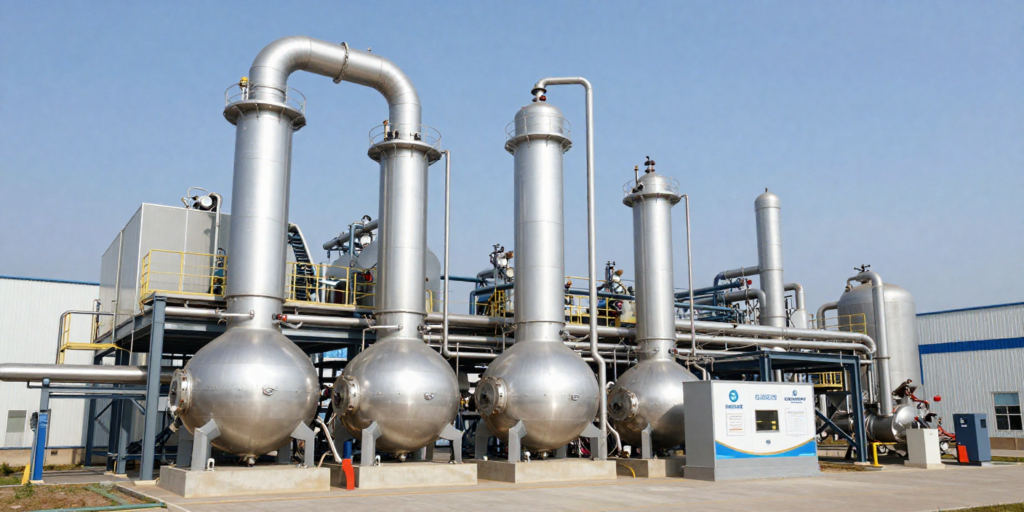
India generates massive amounts of agricultural and organic waste every year, creating both a challenge and an opportunity. A biomass
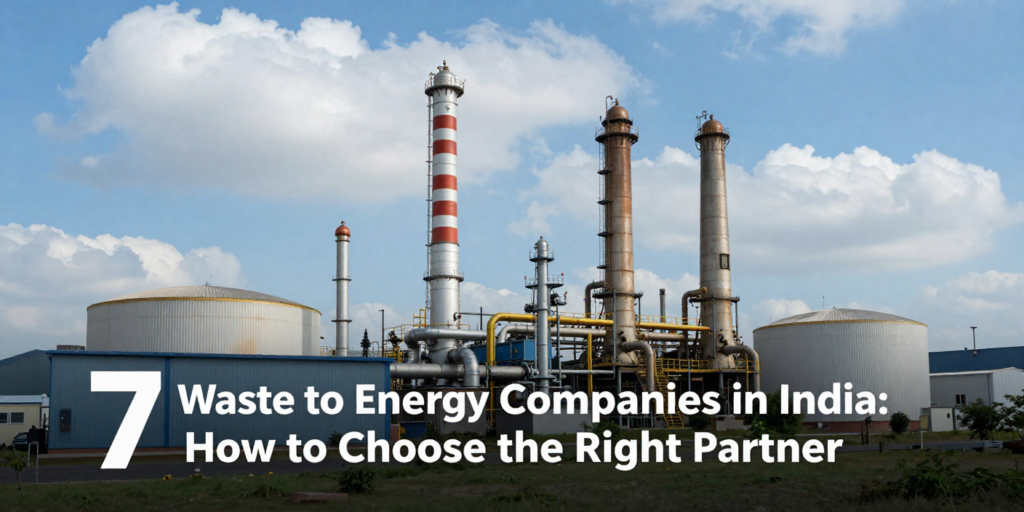
India is facing a massive waste management challenge, with increasing volumes of municipal, industrial, and agricultural waste. Businesses and government
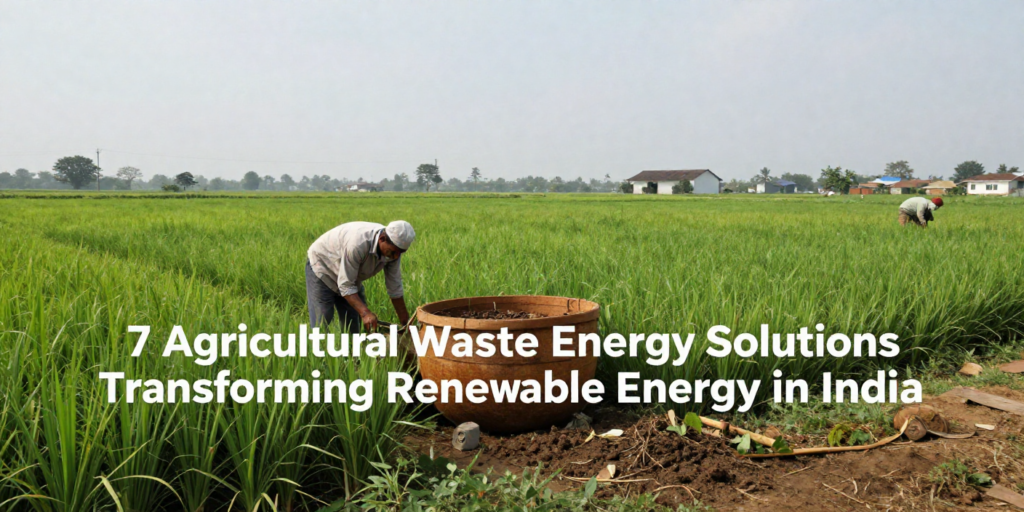
India produces massive quantities of crop residue, husk, stalk, bagasse, press mud, and other farm by-products every year. Much of

India’s industrial sector is growing rapidly, but so is its energy demand and environmental impact. Rising electricity costs, stricter regulations,
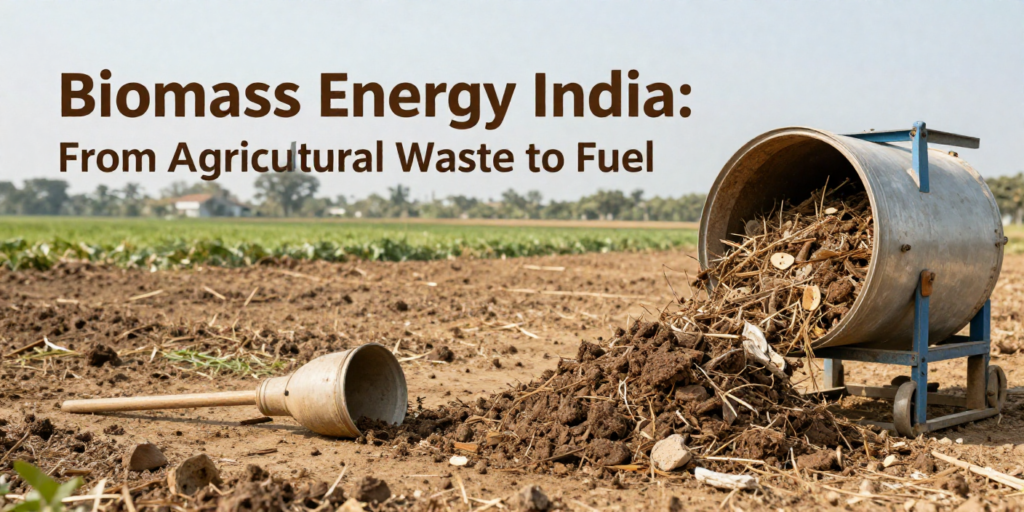
India produces massive amounts of agricultural residue every year, from rice husk and sugarcane bagasse to straw, corn stalks, and
India generates massive amounts of agricultural and organic waste every year, much of which goes unused or is burned, causing