Industrial waste is no longer just a disposal problem it’s a missed revenue opportunity. Today, waste to energy solutions for industries are helping Indian businesses convert waste into valuable energy, reduce operational costs, and meet sustainability goals. With rising waste generation and stricter environmental regulations, industries are actively exploring smarter, scalable solutions.
If you are a manufacturer, processing unit, or industrial facility, this guide will help you understand practical waste-to-energy options you can implement in India.
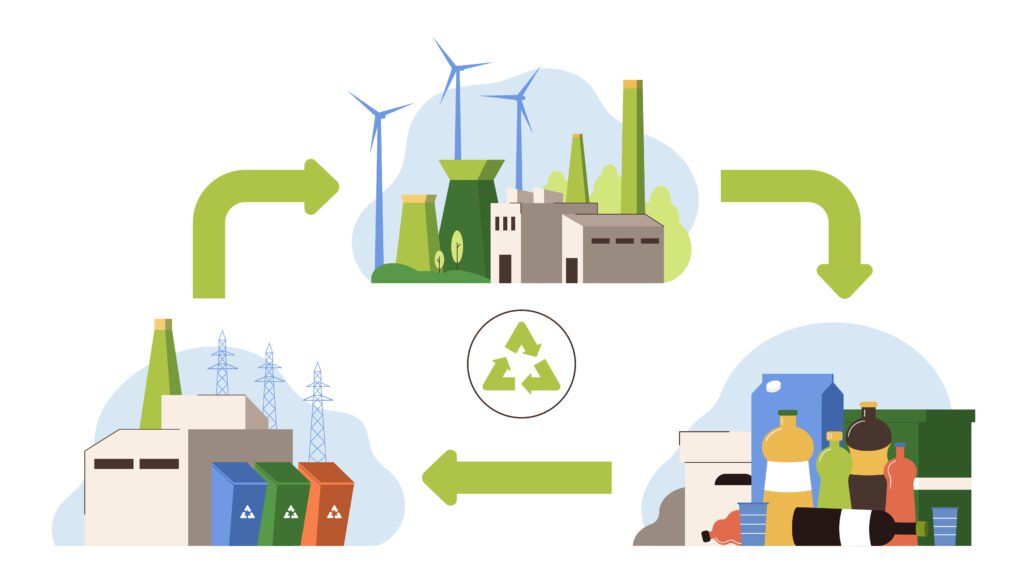
Why Industries in India Need Waste to Energy Solutions
India generates massive volumes of industrial waste across sectors like manufacturing, textiles, food processing, chemicals, and packaging. Traditional disposal methods like landfills and open burning are becoming unsustainable due to:
- Increasing regulatory pressure
- Rising disposal costs
- Environmental compliance requirements
- ESG and sustainability commitments
This is where waste to energy solutions for industries play a critical role turning waste into fuel, electricity, or usable by-products.
7 Waste to Energy Solutions for Industries
1. Pyrolysis Technology
Pyrolysis is one of the most practical solutions for industries dealing with plastic, rubber, or biomass waste. It involves heating waste in the absence of oxygen to produce fuel oil, syngas, and char.
Best for:
- Plastic waste
- Tyre waste
- Industrial carbon waste
Business advantage:
Reduces landfill costs and creates an alternative fuel source.
2. Gasification Systems
Gasification converts organic waste into syngas using controlled oxygen and heat. This gas can be used to generate electricity or heat.
Best for:
- Agricultural waste
- Biomass
- Industrial organic waste
Business advantage:
Efficient energy recovery with lower emissions compared to direct combustion.
3. Anaerobic Digestion (Biogas Plants)
This process uses microorganisms to break down organic waste in the absence of oxygen, producing biogas and digestate.
Best for:
- Food processing industries
- Dairy plants
- Organic waste-heavy industries
Business advantage:
Generates renewable energy while managing wet waste effectively.
4. Refuse-Derived Fuel (RDF)
RDF is produced by processing non-recyclable waste into fuel that can be used in cement kilns or industrial furnaces.
Best for:
- Mixed industrial waste
- Packaging waste
- Non-recyclable materials
Business advantage:
Reduces dependency on coal and lowers fuel costs.
5. Incineration with Energy Recovery
Modern incineration systems burn waste at high temperatures and capture the heat to generate electricity.
Best for:
- Hazardous industrial waste
- Non-recyclable waste
Business advantage:
Reduces waste volume significantly while generating power.
6. Biomass Briquetting and Pellets
Agricultural and biomass waste is compressed into briquettes or pellets used as fuel in boilers.
Best for:
- Agro-industries
- Textile industries
- Food processing units
Business advantage:
Cost-effective alternative to fossil fuels.
7. Waste Heat Recovery Systems
Industries can capture excess heat from processes and convert it into usable energy.
Best for:
- Cement plants
- Steel industries
- Manufacturing units
Business advantage:
Improves overall energy efficiency and reduces power costs.
How to Choose the Right Waste to Energy Solutions for Industries
Not every solution fits every business. The right choice depends on:
1. Type of Waste Generated
Dry, wet, plastic, hazardous, or biomass waste determines the suitable technology.
2. Waste Volume
Higher volumes justify investment in advanced systems like pyrolysis or gasification.
3. Energy Requirement
Some industries need fuel, others need electricity or heat.
4. Budget and ROI
Initial investment vs long-term savings should be evaluated carefully.
5. Compliance and Regulations
Ensure alignment with Indian environmental norms and pollution control guidelines.
Benefits of Waste to Energy Solutions for Industries
Cost Reduction
Lower waste disposal and fuel costs.
Energy Independence
Generate your own fuel or electricity.
Environmental Compliance
Meet government norms and avoid penalties.
Sustainability Branding
Strengthen ESG positioning and brand value.
Revenue Generation
Sell excess energy or by-products.
Challenges Industries Should Consider
While waste to energy solutions for industries offer strong benefits, there are some challenges:
- High initial setup cost
- Need for proper waste segregation
- Skilled operation and maintenance
- Regulatory approvals
However, with the right partner and planning, these challenges can be managed effectively.
Future of Waste to Energy in India
India is rapidly moving toward sustainable industrial practices. Government initiatives, stricter environmental policies, and rising fuel costs are pushing industries to adopt waste-to-energy solutions.
In the coming years, industries that invest early in waste to energy solutions for industries will gain a competitive advantage through:
- Lower operational costs
- Better compliance
- Stronger sustainability positioning
Industrial waste is not just a liability—it’s an untapped asset. By adopting the right waste to energy solutions for industries, businesses in India can reduce costs, generate energy, and move toward sustainable growth.
From pyrolysis and gasification to biogas and waste heat recovery, there are practical solutions available for every type of industry. The key is choosing the right technology based on your waste type, volume, and energy needs.
If your business is looking to reduce waste costs and improve efficiency, now is the time to explore waste-to-energy solutions.