India’s industrial sector is rapidly shifting toward sustainable and cost-effective fuel alternatives. Biomass fuel suppliers India are playing a crucial role in helping industries reduce fuel costs, meet environmental norms, and move toward cleaner energy solutions. From manufacturing plants to food processing units, demand for biomass fuels like briquettes and pellets is growing fast.
If your business depends on boilers, furnaces, or thermal energy, choosing the right biomass supplier is not just a procurement decision it directly impacts your operational efficiency and profitability.
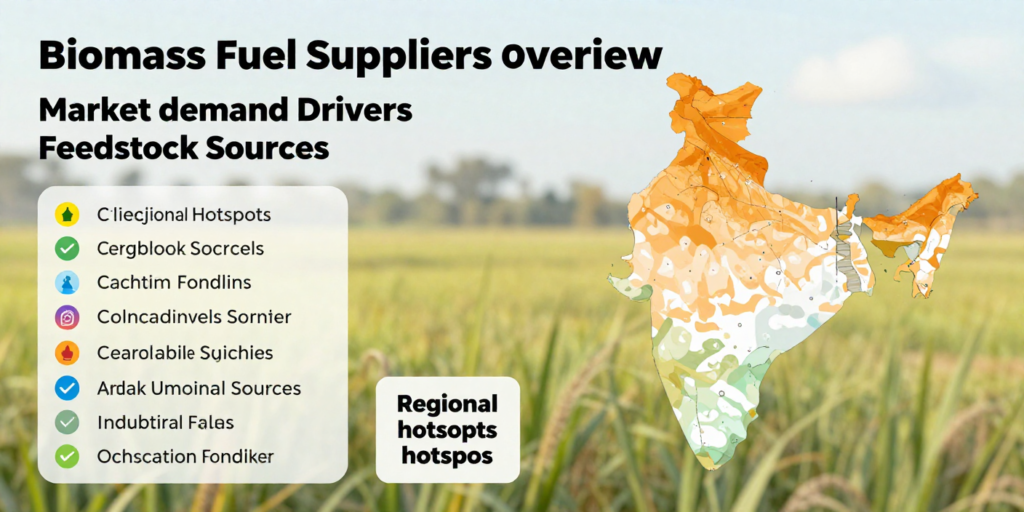
What Are Biomass Fuels?
Biomass fuels are renewable energy sources made from organic materials such as:
- Agricultural waste (rice husk, bagasse, straw)
- Wood chips and sawdust
- Forestry residues
- Industrial organic waste
These materials are processed into biomass briquettes and biomass pellets, which are used as alternatives to coal, furnace oil, and LPG in industrial heating systems.
Biomass Fuel Suppliers India: How the Market Works
Biomass Fuel Suppliers India and Supply Chain Overview
Understanding how biomass fuel suppliers India operate helps industries avoid supply disruptions and quality issues.
1. Raw Material Sourcing
Suppliers collect agricultural and forestry waste from farms, mills, and processing units.
2. Processing Units
The raw material is compressed into briquettes or pellets using high-pressure machines.
3. Distribution Network
Suppliers deliver fuel directly to industries or through regional distributors.
4. Long-Term Contracts
Many industries prefer annual or quarterly contracts to ensure price stability and continuous supply.
7 Powerful Insights Before Choosing Biomass Fuel Suppliers in India
1. Fuel Quality Directly Impacts Efficiency
Low-quality biomass leads to poor combustion, higher ash content, and lower heat output. Always check:
- Calorific value
- Moisture content
- Ash percentage
2. Consistency of Supply Is Critical
Industries running continuous operations cannot afford fuel shortages. Choose suppliers with strong logistics and backup sourcing.
3. Pricing Can Fluctuate Seasonally
Biomass prices depend on crop cycles and availability. Long-term contracts help manage cost fluctuations.
4. Location Matters for Cost Efficiency
Transport cost plays a big role. Working with nearby biomass fuel suppliers India reduces logistics expenses.
5. Compliance with Pollution Norms
Biomass fuels help meet emission standards, but poor-quality fuel can still create issues. Ensure supplier standards match regulatory requirements.
6. Storage and Handling Requirements
Biomass fuels need proper storage to avoid moisture absorption. Suppliers should guide you on storage best practices.
7. Customization for Industrial Needs
Different industries require different fuel sizes and specifications. Reliable suppliers offer customized solutions.
Applications of Biomass Fuels Across Industries
Biomass fuels are widely used across sectors in India:
- Textile and garment industries
- Food processing units
- Paper and pulp industries
- Chemical manufacturing
- Brick kilns and ceramics
- Dairy and agro-processing units
These industries use biomass in boilers, heaters, and furnaces for consistent thermal energy.
ROI: Why Industries Are Switching to Biomass Fuel
Switching to biomass is not just about sustainability it’s a strong financial decision.
Lower Fuel Costs
Biomass is often cheaper than coal and furnace oil, especially in regions with high agricultural output.
Reduced Carbon Footprint
Helps companies meet ESG and sustainability goals.
Government Support
Policies in India encourage renewable energy adoption, indirectly supporting biomass usage.
Stable Long-Term Economics
With the right supplier, biomass offers predictable and manageable fuel costs.
Challenges When Working with Biomass Fuel Suppliers India
To make the right decision, industries must also consider potential risks:
Inconsistent Quality
Not all suppliers maintain standard processing quality.
Supply Chain Disruptions
Seasonal dependency on agricultural waste can affect supply.
Storage Issues
Improper storage can lead to fuel degradation.
Lack of Standardization
The market is still evolving, so supplier credibility matters.
How to Choose the Right Biomass Fuel Supplier
Here’s a practical checklist:
- Verify supplier experience and track record
- Check fuel samples before bulk purchase
- Evaluate logistics and delivery timelines
- Ensure long-term supply capability
- Compare pricing with quality, not just cost
- Confirm compliance with environmental standards
Choosing the right partner from biomass fuel suppliers India ensures smooth operations and better ROI.
Future of Biomass Fuel in India
India’s push toward renewable energy and sustainable industrial practices is driving strong growth in biomass fuel adoption. With increasing awareness, better technology, and improved supply chains, biomass is becoming a reliable alternative to traditional fuels.
Industries that shift early will benefit from:
- Cost savings
- Regulatory compliance
- Sustainable brand positioning
Biomass fuel suppliers India are becoming key partners for industries aiming to reduce costs and adopt cleaner energy solutions. From fuel quality and pricing to supply consistency and ROI, choosing the right supplier can significantly impact your operations.
For businesses relying on thermal energy, biomass is not just an alternative it’s a strategic advantage in today’s competitive and sustainability-driven market.