Rising energy costs and strict environmental regulations are forcing businesses to rethink their energy strategies. Renewable energy sources for industries are no longer just an environmental choice they are a strategic investment for cost savings, compliance, and long-term growth. In India, industries are rapidly shifting toward cleaner energy solutions to reduce dependency on fossil fuels and improve operational efficiency.
If you are a business owner, plant manager, or decision-maker, understanding the right renewable energy options can directly impact your bottom line and sustainability goals.
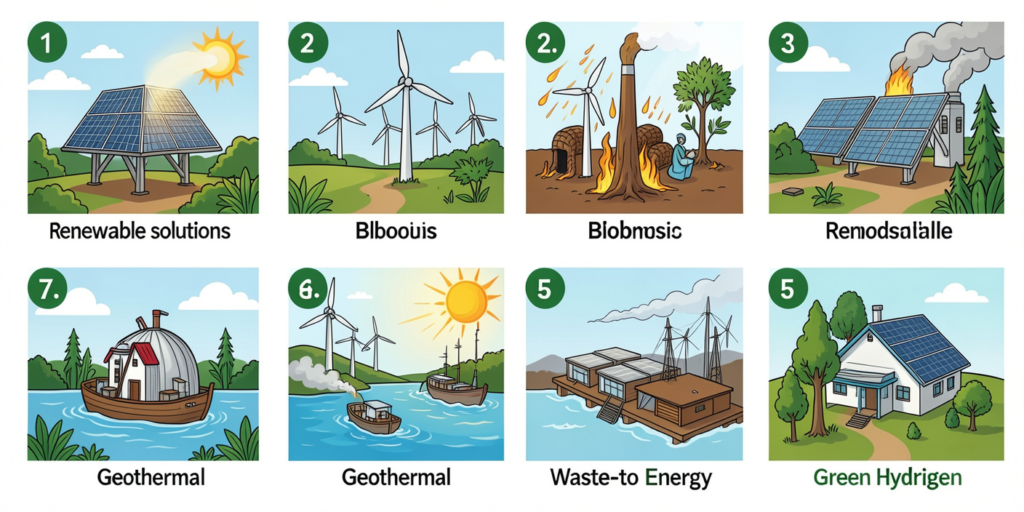
Why Industries in India Are Shifting to Renewable Energy
Before choosing the right solution, it’s important to understand the driving factors:
- Increasing electricity tariffs
- Government regulations and ESG compliance
- Pressure to reduce carbon emissions
- Demand for sustainable business practices
- Long-term cost stability
Industries that adopt renewable energy early gain both financial and competitive advantages.
7 Renewable Energy Sources for Industries in India
Renewable Energy Sources for Industries That Deliver Real ROI
1. Solar Energy (Rooftop & Ground-Mounted)
Solar energy is the most widely adopted solution in India.
Best for: Manufacturing units, warehouses, commercial buildings
Key Benefits:
- Reduces electricity bills significantly
- Low maintenance
- Government subsidies and net metering benefits
Solar plants can provide long-term savings with a payback period of 3–5 years.
2. Wind Energy
Wind energy is suitable for industries located in high wind zones.
Best for: Large-scale industries with high power consumption
Key Benefits:
- High energy generation capacity
- Long-term cost reduction
- Suitable for captive power generation
States like Tamil Nadu, Gujarat, and Maharashtra offer good wind potential.
3. Biomass Energy
Biomass uses agricultural waste such as rice husk, bagasse, and crop residues.
Best for: Agro-based industries, food processing units
Key Benefits:
- Utilizes locally available waste
- Reduces fuel costs
- Supports rural economy
This is one of the most practical renewable energy sources for industries in India.
4. Waste-to-Energy (Pyrolysis & Gasification)
Industrial and plastic waste can be converted into fuel through advanced technologies.
Best for: Manufacturing industries, recyclers, waste management companies
Key Benefits:
- Converts waste into energy
- Reduces disposal costs
- Creates additional revenue streams
This is a high-impact solution for industries generating large amounts of waste.
5. Hydropower (Small-Scale)
Small hydropower projects can be installed in water-rich areas.
Best for: Industries near rivers or water flow systems
Key Benefits:
- Consistent energy supply
- Low operating cost
- Long lifespan
6. Geothermal Energy
Though still emerging in India, geothermal energy has niche industrial applications.
Best for: Process heating in specific industries
Key Benefits:
- Continuous energy supply
- Minimal environmental impact
7. Hybrid Energy Systems
Combining multiple renewable sources (like solar + wind) ensures better efficiency.
Best for: Large industries with continuous energy demand
Key Benefits:
- Improved reliability
- Optimized energy generation
- Reduced dependency on grid power
ROI of Renewable Energy for Industries in India
The biggest question industries ask is: Is it financially viable?
1. Cost Savings
- Reduction in electricity bills by 30%–70%
- Lower fuel costs
- Protection from rising energy prices
2. Government Incentives
- Subsidies and tax benefits
- Accelerated depreciation
- Net metering advantages
3. Payback Period
Most renewable energy projects in India offer:
- Solar: 3–5 years
- Biomass: 2–4 years
- Waste-to-energy: 1.5–3 years
4. Long-Term Gains
- 20+ years of energy generation
- Improved brand image
- ESG compliance benefits
How to Choose the Right Renewable Energy Source
Selecting the right option depends on:
- Type of industry
- Energy consumption pattern
- Location and natural resources
- Budget and ROI expectations
- Waste generation (if any)
For example:
- High electricity users → Solar or wind
- Waste-generating industries → Pyrolysis or biomass
- Rural/agro industries → Biomass solutions
Key Challenges to Consider
To make an informed decision, industries must also evaluate:
Initial Investment
Some renewable systems require upfront capital.
Space Availability
Solar and wind systems need adequate space.
Regulatory Approvals
Compliance with local and national policies is mandatory.
Technical Expertise
Proper installation and maintenance are essential for performance.
Future of Renewable Energy for Industries in India
India is rapidly moving toward becoming a global renewable energy leader. With government support, technological advancements, and rising energy demand, industrial adoption will continue to grow.
Industries that invest today will benefit from:
- Lower operating costs
- Energy independence
- Strong sustainability positioning
Renewable energy sources for industries are no longer optional—they are essential for long-term growth, cost efficiency, and environmental responsibility. From solar and wind to biomass and waste-to-energy, Indian industries have multiple options to reduce costs and generate sustainable power.
The key is choosing the right solution based on your energy needs, location, and business goals. With the right strategy, renewable energy can transform from a cost center into a profit-driving investment.