India produces massive quantities of crop residue, husk, stalk, bagasse, press mud, and other farm by-products every year. Much of this material is either burned in open fields or left unused, creating pollution and wasting valuable resources. This is why agricultural waste energy solutions are becoming essential for India’s renewable energy future. These solutions help convert farm waste into usable power, fuel, and heat while supporting cleaner rural development and better waste management.
For businesses, industries, bioenergy developers, and policymakers, agricultural waste is no longer just a disposal challenge. It is a practical feedstock for renewable energy generation. When implemented properly, these systems can reduce environmental damage, create new revenue opportunities, and strengthen India’s energy security.
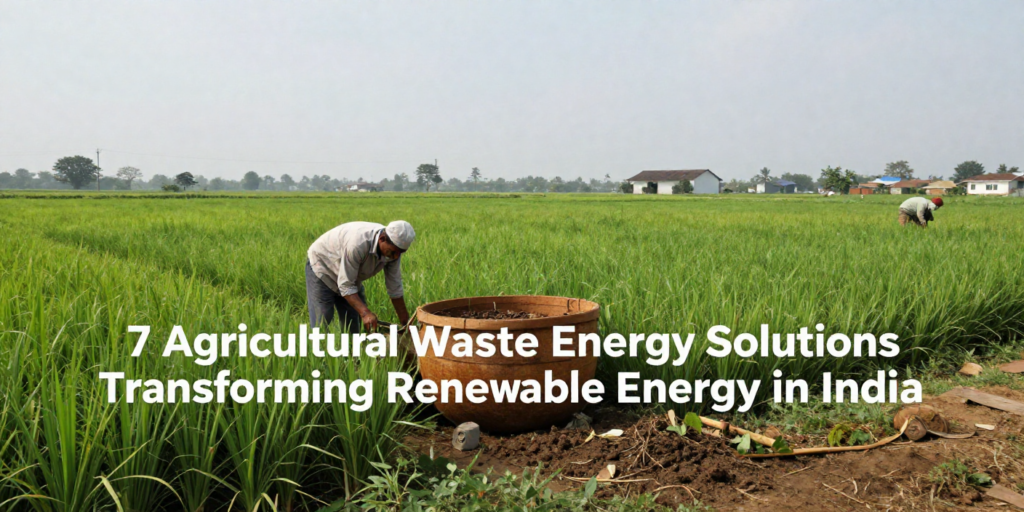
What Are Agricultural Waste Energy Solutions?
Agricultural waste energy solutions are technologies and systems that convert farm residue and agro-processing waste into useful forms of energy. Instead of burning waste or sending it to landfills, these methods recover value from biomass and transform it into electricity, heat, gas, oil, or biofuels.
Common agricultural waste materials used in India include:
- Rice husk
- Sugarcane bagasse
- Cotton stalk
- Wheat straw
- Corn cobs
- Coconut shells
- Groundnut shells
- Mustard stalk
- Press mud
- Fruit and vegetable processing waste
The purpose of agricultural waste energy solutions is to turn these residues into productive assets while reducing waste disposal issues.
Why India Needs Agricultural Waste-to-Energy Systems
India is one of the largest agricultural economies in the world, and that means it also generates a huge volume of agricultural residue. In many regions, especially in northern India, crop burning has become a major environmental problem. At the same time, industries and rural communities continue to need reliable and affordable energy.
This creates a strong case for waste-to-energy systems based on agricultural biomass.
Key reasons these solutions matter in India:
- Reduce stubble burning and air pollution
- Support rural and decentralized energy generation
- Create value from underused biomass
- Lower landfill and disposal pressure
- Help industries shift toward cleaner fuels
- Support circular economy and sustainability goals
7 Agricultural Waste Energy Solutions Used in India
1. Biomass Briquetting and Pelleting
Briquetting and pelleting convert loose agricultural waste into dense, uniform fuel blocks or pellets. Materials like sawdust, rice husk, groundnut shells, and crop residue are compressed under high pressure.
These briquettes and pellets are then used in industrial boilers, furnaces, and heating systems as alternatives to coal or firewood.
Why it matters:
This is one of the most practical agricultural waste energy solutions for industries that need solid fuel at scale. It improves transport efficiency, storage, and combustion consistency.
2. Biogas Production from Agricultural Waste
Organic agricultural waste such as cattle dung, crop residue slurry, fruit waste, and food processing waste can be converted into biogas through anaerobic digestion. This process produces methane-rich gas that can be used for cooking, electricity generation, or thermal applications.
The leftover digestate can also be used as organic fertilizer.
Best suited for:
- Farms
- Dairy units
- Food processing industries
- Rural energy systems
Biogas is one of the most sustainable agricultural waste-to-energy pathways because it creates both renewable energy and nutrient-rich by-products.
3. Biomass Gasification
Gasification converts agricultural residue into producer gas or syngas by heating biomass in a controlled low-oxygen environment. The generated gas can be used for heat or electricity generation.
Feedstocks often include:
- Rice husk
- Coconut shells
- Cotton stalk
- Wood chips
- Corn cobs
For many rural and industrial applications, gasification is among the most efficient agricultural waste energy solutions because it offers decentralized power generation potential.
4. Pyrolysis of Crop Residue
Pyrolysis involves heating agricultural waste in the absence of oxygen to produce bio-oil, syngas, and biochar. This method is especially useful for dry biomass feedstock.
Crop residue, shells, stalks, and husk can be processed through pyrolysis systems depending on the feedstock quality and moisture content.
Advantages of pyrolysis:
- Converts waste into multiple useful outputs
- Reduces biomass volume
- Produces biochar that may support soil improvement
- Offers an alternative to direct burning
Pyrolysis is gaining interest in India as industries seek cleaner and more commercially viable agricultural waste recovery methods.
5. Biomass Combustion for Heat and Power
Direct combustion is one of the oldest and most widely used biomass energy methods. Agricultural residues are burned in controlled boilers to generate steam, which is then used for industrial heating or electricity production.
Sugar mills in India commonly use bagasse-based cogeneration systems. Similar models can be applied to other agro-industrial waste streams.
This remains one of the most established agricultural waste energy solutions for large-scale heat and power generation.
6. Biofuel Production from Agricultural Residue
Some agricultural residues can be processed into liquid biofuels such as ethanol or advanced biofuels. This typically involves biochemical or thermochemical conversion technologies depending on the feedstock.
With growing interest in cleaner transport fuels, agricultural residue is becoming a valuable raw material for the biofuel industry.
Potential feedstocks include:
- Sugarcane waste
- Corn residue
- Rice straw
- Cellulosic biomass
As India expands its renewable fuel ecosystem, biofuel production will continue to shape the future of agricultural waste utilization.
7. Biochar Production for Energy and Soil Value
Biochar is a carbon-rich solid product generated through pyrolysis. While it is not always the main energy output, it adds major value to agricultural waste conversion systems.
Biochar can be used for:
- Soil improvement
- Carbon management
- Moisture retention enhancement
- Waste carbon recovery
In integrated systems, biochar improves the commercial viability of agricultural waste energy solutions by creating an additional saleable or usable product.
Benefits of Agricultural Waste Energy Solutions
India can gain strong environmental, economic, and operational advantages by investing in these systems.
Reduced Air Pollution
Open-field burning is a major contributor to poor air quality. Converting agricultural residue into energy reduces this problem and supports cleaner communities.
Better Farmer and Agro-Industry Economics
Waste that was previously discarded can become a source of fuel, revenue, or reduced disposal cost.
Renewable Energy Generation
Agricultural waste can supplement India’s clean energy mix and reduce dependence on fossil fuels.
Rural Employment Opportunities
Biomass collection, processing, transport, plant operation, and maintenance can generate local jobs.
Stronger Circular Economy
These systems encourage resource recovery and sustainable production rather than wasteful disposal.
Challenges in Converting Agricultural Waste into Renewable Energy
A credible blog should also address practical barriers.
Feedstock Collection and Logistics
Agricultural waste is often scattered across wide areas, making collection and transportation a challenge.
Seasonal Availability
Some types of farm residue are only available at certain times of the year, so storage planning is important.
Moisture and Contamination Issues
Wet or mixed biomass may reduce system efficiency and raise processing costs.
Capital Investment
Technology setup, machinery, and infrastructure can require substantial initial investment.
Policy and Market Linkages
Long-term success depends on proper regulations, incentives, and access to buyers or users for the energy products.
How Businesses Can Benefit from Agricultural Waste-to-Energy in India
Businesses in sectors such as food processing, sugar, paper, agro-manufacturing, bioenergy, and waste management can gain strong long-term value from agricultural biomass systems.
They can use agricultural waste energy solutions to:
- Cut energy costs
- Reduce waste handling expenses
- Improve ESG and sustainability performance
- Build renewable energy assets
- Generate commercial by-products from waste
- Strengthen brand credibility in green business markets
For companies operating in India, agricultural waste is not just an environmental issue. It is a strategic opportunity.
The Future of Agricultural Waste Energy Solutions in India
India’s push toward renewable energy, cleaner fuels, and sustainable waste management is creating strong demand for biomass-based systems. Agricultural waste-to-energy projects are expected to play a larger role in industrial decarbonization, rural development, and environmental improvement.
As the country continues to focus on waste reduction, pollution control, and resource efficiency, adoption of modern biomass conversion technologies is likely to increase. Businesses that invest early in scalable and compliant systems can position themselves for both environmental and economic returns.
Agricultural residue should not be treated as useless waste when it can be transformed into valuable renewable energy. From briquetting and biogas to gasification, pyrolysis, and biofuels, agricultural waste energy solutions offer practical answers to some of India’s biggest environmental and energy challenges.
For industries, project developers, and sustainability-focused organizations, these technologies create a path toward lower emissions, better waste management, and stronger operational efficiency. In a country like India, where agricultural output is high and renewable energy demand is rising, converting farm waste into energy is not just a smart choice. It is a necessary one.