India’s industrial sector is under increasing pressure to reduce energy costs and meet sustainability goals. Sustainable industrial energy systems are emerging as a practical solution, especially when powered by biomass. These systems not only reduce dependence on fossil fuels but also convert agricultural and organic waste into reliable energy.
For industries looking to lower operational costs while aligning with environmental regulations, biomass-based energy systems offer both economic and strategic advantages. Understanding how these systems work and where they fit in your business is essential for long-term growth.
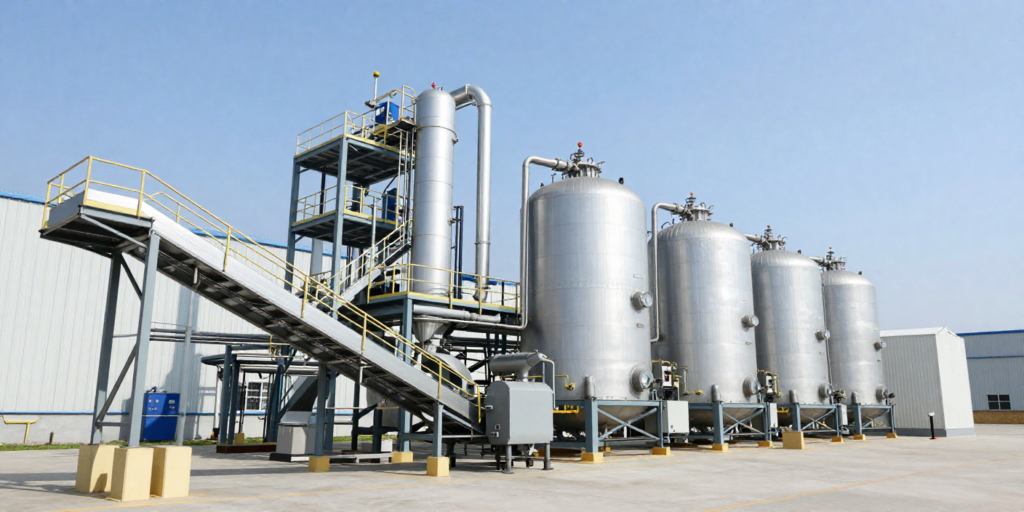
What Are Sustainable Industrial Energy Systems?
Sustainable industrial energy systems refer to energy generation setups that use renewable resources, minimize environmental impact, and improve efficiency in industrial operations.
When powered by biomass, these systems typically use:
- Agricultural residues (rice husk, bagasse, straw)
- Wood waste and sawdust
- Organic industrial waste
- Food processing waste
These materials are converted into usable energy through processes like combustion, gasification, or pyrolysis.
How Biomass Powers Sustainable Industrial Energy Systems
To understand the real value of sustainable industrial energy systems, you need to look at how biomass is converted into energy.
1. Biomass Collection and Processing
Raw biomass is collected, dried, and processed to ensure consistent energy output.
2. Conversion Technology
Depending on the system, biomass is converted using:
- Direct combustion (for heat/steam)
- Gasification (for syngas production)
- Pyrolysis (for oil, gas, and char)
3. Energy Generation
The converted fuel is used to generate:
- Steam for industrial processes
- Electricity for operations
- Heat for manufacturing units
4. Waste Utilization
Residual ash or char can be reused in agriculture or other applications, reducing waste.
Sustainable Industrial Energy Systems for Biomass Applications in India
Sustainable Industrial Energy Systems Across Industries
1. Food Processing Industry
Biomass boilers are widely used to generate steam for processing operations.
2. Textile Industry
Steam and heat from biomass reduce reliance on expensive fossil fuels.
3. Paper & Pulp Industry
Uses large volumes of biomass waste internally for energy production.
4. Sugar Industry
Bagasse (sugarcane waste) is used for co-generation of power and heat.
5. Agro-Based Industries
Rice mills and agro-processing units use husk and residues as fuel.
6. Chemical & Manufacturing Units
Biomass-based systems support continuous heat and energy demand.
7. Rural & Semi-Urban Industries
Decentralized biomass energy systems provide reliable and affordable power.
7 Powerful Benefits of Sustainable Industrial Energy Systems
1. Reduced Energy Costs
Biomass is often cheaper and locally available, lowering fuel expenses.
2. Renewable and Sustainable
Unlike fossil fuels, biomass is renewable and supports long-term energy security.
3. Waste-to-Energy Advantage
Industries can use their own waste to generate energy, reducing disposal costs.
4. Lower Carbon Emissions
Biomass-based systems contribute to carbon neutrality compared to coal or diesel.
5. Energy Independence
Businesses are less affected by fluctuating fuel prices and supply disruptions.
6. Government Support in India
Subsidies and policies encourage renewable energy adoption.
7. Strong ROI Potential
Lower operational costs and energy savings improve profitability over time.
ROI of Sustainable Industrial Energy Systems in India
For decision-makers, ROI is the most important factor.
Initial Investment
Depends on system size, technology, and automation level.
Operational Savings
Major savings come from:
- Reduced fuel costs
- Lower electricity bills
- Reduced waste disposal expenses
Payback Period
In India, most biomass-based sustainable industrial energy systems achieve ROI within 2 to 4 years, depending on usage and scale.
Long-Term Value
After payback, energy generation becomes a major cost advantage for the business.
Why India Is Moving Toward Biomass Energy Systems
Abundant Biomass Availability
India produces large amounts of agricultural waste every year.
Rising Energy Demand
Industries need reliable and cost-effective energy solutions.
Environmental Regulations
Stricter norms are pushing industries toward cleaner alternatives.
Focus on Circular Economy
Waste is being reused as a resource, not discarded.
Challenges You Must Consider
Biomass Supply Chain
Consistent availability of quality biomass is critical.
Storage and Handling
Biomass requires proper storage to maintain efficiency.
Technology Selection
Choosing the wrong system can impact performance and ROI.
Maintenance Requirements
Regular maintenance is needed for long-term efficiency.
How to Choose the Right System for Your Business
To get the best results from sustainable industrial energy systems, focus on:
- Type of biomass available
- Energy requirement (heat, steam, electricity)
- Industry-specific needs
- Space availability
- Vendor expertise and support
A well-planned system ensures maximum efficiency and profitability.
Future of Sustainable Industrial Energy Systems in India
The future is highly promising. As industries move toward net-zero goals and energy efficiency, biomass-based systems will play a major role.
Businesses that adopt early will gain:
- Competitive cost advantage
- Strong sustainability positioning
- Better compliance with regulations
Sustainable industrial energy systems powered by biomass are not just an environmental solution they are a smart business investment. They help industries reduce energy costs, utilize waste effectively, and move toward cleaner operations.
For Indian industries, the opportunity is clear: adopt biomass energy systems to achieve both financial and sustainability goals.