India generates massive amounts of agricultural and organic waste every year, creating both a challenge and an opportunity. A biomass pyrolysis plant offers a practical solution by converting biomass waste into valuable energy products like fuel oil, syngas, and biochar. If you are exploring sustainable waste-to-energy solutions, understanding how a biomass pyrolysis plant works, its design, capacity, and real-world applications is essential for making informed investment decisions.
This blog is designed for industries, waste management companies, and investors in India looking to adopt efficient and scalable energy solutions.
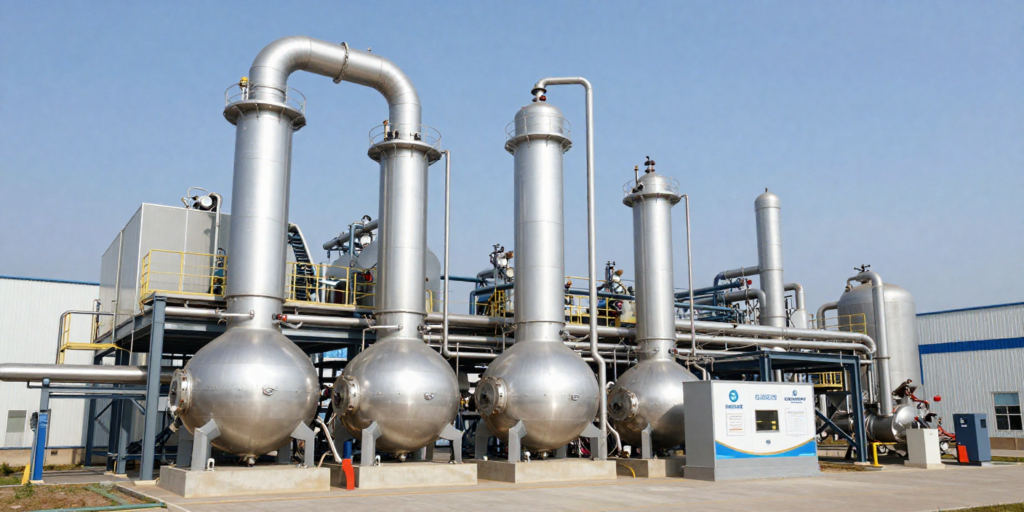
What Is a Biomass Pyrolysis Plant?
A biomass pyrolysis plant is an industrial system that converts organic biomass into useful energy products through thermal decomposition in the absence of oxygen.
Typical biomass feedstock includes:
- Agricultural residue (rice husk, wheat straw, bagasse)
- Wood chips and sawdust
- Coconut shells
- Forestry waste
- Organic industrial waste
Instead of burning biomass directly, pyrolysis transforms it into:
- Bio-oil (pyrolysis oil)
- Syngas (combustible gas)
- Biochar (carbon-rich solid)
This makes it a highly efficient waste-to-energy technology aligned with India’s sustainability goals.
Biomass Pyrolysis Plant Design: Key Components
Understanding plant design is critical before investing. A well-designed biomass pyrolysis plant ensures efficiency, safety, and maximum output.
1. Feedstock Preparation Unit
- Drying system to reduce moisture
- Shredding or size reduction equipment
- Ensures uniform material for consistent processing
2. Pyrolysis Reactor
- Core of the system where biomass is heated (300°C–800°C)
- Operates in an oxygen-free environment
- Can be rotary kiln, fixed bed, or fluidized bed type
3. Heating System
- External or internal heat source
- Often uses syngas generated from the process itself to reduce energy costs
4. Condensation System
- Converts vapours into liquid bio-oil
- Includes condensers, cooling towers, and separators
5. Gas Handling System
- Collects non-condensable gases (syngas)
- Can be reused to power the plant, improving efficiency
6. Char Collection Unit
- Collects biochar output
- Can be used in agriculture, fuel, or carbon applications
A well-integrated design directly impacts ROI and operational stability.
Biomass Pyrolysis Plant Capacity Options in India
Capacity selection depends on feedstock availability, investment budget, and business goals.
Biomass Pyrolysis Plant Capacity: Choosing the Right Scale
Small Scale Plants
- Capacity: 1–5 tons/day
- Ideal for rural areas, farms, and small industries
- Lower investment, localized usage
Medium Scale Plants
- Capacity: 5–20 tons/day
- Suitable for agro-industries and waste aggregators
- Balanced cost and output
Large Scale Plants
- Capacity: 20–100+ tons/day
- Designed for industrial operations and municipal projects
- Higher ROI potential with continuous operations
Continuous vs Batch Systems
Batch Plants:
- Lower cost
- Suitable for small-scale operations
- Requires manual handling
Continuous Plants:
- Automated operation
- Higher efficiency and output consistency
- Preferred for commercial and industrial use
Choosing the right capacity is crucial for profitability and long-term scalability.
Use Cases of Biomass Pyrolysis Plant in India
A biomass pyrolysis plant is not just a waste treatment system—it’s a revenue-generating asset when used strategically.
1. Agricultural Waste Management
Farmers and agro-industries can convert crop residue into energy instead of burning it, reducing pollution and generating income.
2. Industrial Fuel Production
Bio-oil produced can be used as an alternative fuel in boilers, furnaces, and certain industrial processes.
3. Biochar for Soil Enhancement
Biochar improves soil fertility, water retention, and carbon content, making it valuable for agriculture.
4. Waste-to-Energy Projects
Municipal bodies and private companies can use pyrolysis plants to manage organic waste while generating usable energy.
5. Carbon Credit Opportunities
Sustainable biomass processing can contribute to carbon reduction, opening opportunities for carbon credits.
Why Biomass Pyrolysis Plant Is Growing in India
India’s push toward sustainability and waste management is driving demand for pyrolysis-based solutions.
Key growth drivers:
- Increasing agricultural waste generation
- Government focus on renewable energy
- Rising fuel costs
- Need for decentralized energy solutions
- Environmental regulations against open burning
For businesses, this creates a strong opportunity to invest in waste-to-energy infrastructure.
Benefits of Biomass Pyrolysis Plant
High Waste Conversion Efficiency
Converts a significant portion of biomass into usable energy products.
Multiple Revenue Streams
- Bio-oil sales
- Biochar applications
- Energy savings from syngas reuse
Reduced Environmental Impact
Lower emissions compared to open burning of biomass.
Energy Independence
Helps industries reduce dependence on traditional fuels.
Scalable Technology
Can be expanded based on business growth and feedstock availability.
Challenges to Consider
While a biomass pyrolysis plant offers strong advantages, businesses should evaluate:
- Consistent feedstock supply
- Initial capital investment
- Regulatory approvals in India
- Market demand for outputs (oil, char)
- Technical expertise for operation
Proper planning and the right technology partner can mitigate these risks.
How to Choose the Right Biomass Pyrolysis Plant
Before investing, consider:
- Type and availability of biomass
- Desired output (oil vs char vs gas)
- Plant capacity requirements
- Budget and ROI expectations
- Compliance with Indian environmental regulations
- Automation level (batch vs continuous)
A customized solution always performs better than a generic setup.
A biomass pyrolysis plant is one of the most practical and scalable waste-to-energy solutions for India. It not only addresses the growing problem of agricultural and organic waste but also creates valuable energy outputs and business opportunities.
From small rural setups to large industrial operations, pyrolysis technology offers flexibility, sustainability, and long-term ROI. For businesses looking to reduce waste, cut fuel costs, and build a sustainable future, investing in a biomass pyrolysis plant is a strategic move.