India’s waste problem is no longer just an environmental issue it’s a business opportunity. Industrial pyrolysis systems are emerging as one of the most practical waste-to-energy solutions for industries looking to reduce disposal costs and generate additional revenue streams. From plastic waste to biomass and tyre recycling, these systems convert waste into valuable fuels and by-products.
If you are evaluating waste management investments, understanding how industrial pyrolysis systems work, where they are used, and what kind of ROI they generate is critical for making a profitable decision.
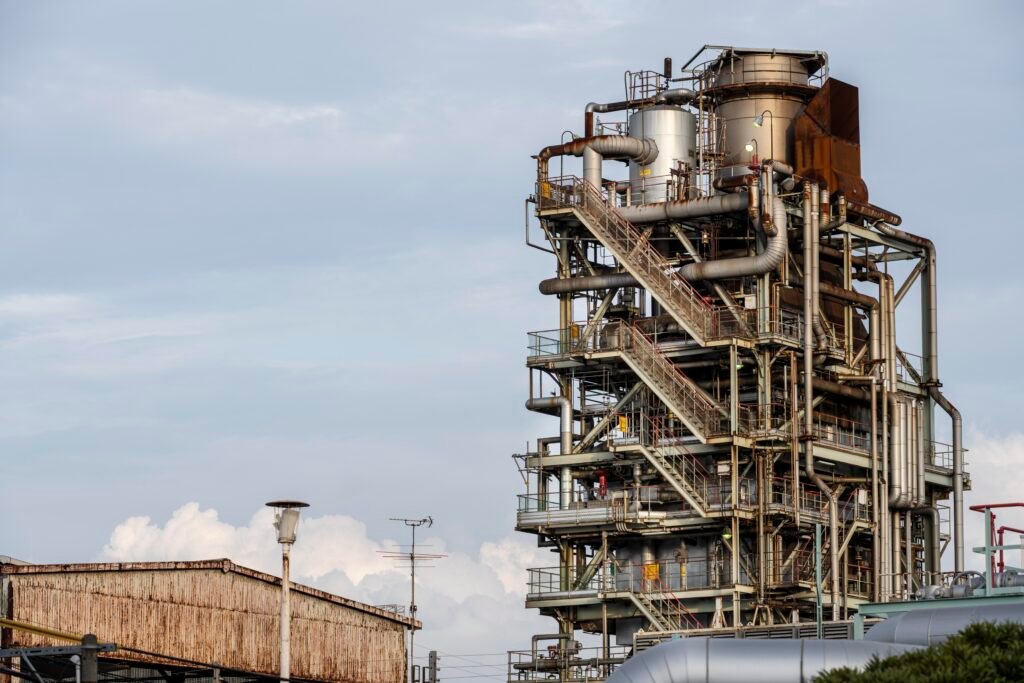
What Are Industrial Pyrolysis Systems?
Industrial pyrolysis systems are advanced machines designed to thermally decompose waste materials at high temperatures in the absence of oxygen. Unlike traditional incineration, these systems do not burn waste they convert it into:
- Pyrolysis oil (alternative fuel)
- Syngas (internal energy source)
- Carbon char (industrial or fuel use)
These systems are scalable and built for continuous industrial operations, making them ideal for factories, waste management companies, recyclers, and municipalities across India.
How Industrial Pyrolysis Systems Work
Understanding the working process helps evaluate efficiency and profitability.
1. Feedstock Input
Waste such as plastic, tyres, or biomass is collected, segregated, and fed into the reactor.
2. Oxygen-Free Heating
The material is heated between 300°C to 900°C without oxygen, preventing combustion.
3. Thermal Decomposition
The waste breaks down into vapours, gases, and solid residue.
4. Condensation Process
Vapours are cooled to form pyrolysis oil, while non-condensable gases become syngas.
5. Output Utilization
Oil can be sold or used as fuel, gas powers the system, and char can be reused or sold.
This closed-loop efficiency is what makes industrial pyrolysis systems commercially viable.
7 Key Applications of Industrial Pyrolysis Systems in India
Industrial Pyrolysis Systems Applications Across Industries
1. Plastic Waste Recycling
India generates massive plastic waste. Pyrolysis converts it into fuel oil, reducing landfill dependency.
2. Tyre Recycling Industry
Used tyres are processed into oil, carbon black, and steel recovery, creating multiple revenue streams.
3. Agricultural Biomass Conversion
Crop residues like rice husk and straw are converted into energy, helping reduce stubble burning.
4. Municipal Solid Waste (MSW) Processing
Segregated organic and plastic waste from cities can be processed into energy.
5. Industrial Waste Management
Factories can convert their own waste into usable fuel, reducing disposal costs.
6. Chemical & Fuel Industry
Pyrolysis oil can be used as an alternative industrial fuel in boilers and furnaces.
7. Rural Energy Solutions
Decentralized pyrolysis systems can support local energy needs in semi-urban and rural India.
ROI of Industrial Pyrolysis Systems in India
When businesses invest in industrial pyrolysis systems, the biggest question is: Is it profitable?
1. Revenue Streams
A single system can generate income from multiple outputs:
- Sale of pyrolysis oil
- Sale of carbon char or carbon black
- Savings from reduced fuel purchase
- Reduced waste disposal costs
2. Cost Factors
Initial investment depends on:
- Plant capacity (small, medium, large scale)
- Automation level
- Type of feedstock
- Pollution control systems
3. Operating Efficiency
ROI improves when:
- Feedstock is consistently available
- System runs continuously
- Energy from syngas is reused internally
- Output products have a ready market
4. Payback Period
In India, most industrial pyrolysis systems can achieve ROI within 1.5 to 3 years, depending on scale and operations.
Why Industrial Pyrolysis Systems Are Growing in India
India is creating strong demand for waste-to-energy technologies due to:
Government Push for Waste Management
Strict regulations on waste disposal are forcing industries to adopt better solutions.
Rising Fuel Costs
Alternative fuels from pyrolysis reduce dependency on expensive fossil fuels.
Sustainability Goals
Companies are aligning with ESG and environmental compliance standards.
Circular Economy Shift
Waste is no longer seen as useless—it is now a resource.
Key Benefits of Industrial Pyrolysis Systems
High Waste Reduction
Significantly reduces landfill volume.
Energy Generation
Converts waste into usable fuel and gas.
Multi-Industry Use
Applicable across plastic, agriculture, manufacturing, and recycling sectors.
Scalable Technology
Can be installed based on business size and waste volume.
Environmental Advantage
Lower emissions compared to uncontrolled burning.
Challenges You Must Consider
To make this blog high-intent and trustworthy, decision-makers must understand risks too:
Feedstock Dependency
Inconsistent waste supply can affect profitability.
Regulatory Compliance
Approval from pollution control boards is mandatory in India.
Market Linkage
Selling pyrolysis oil or char requires proper buyer networks.
Technical Expertise
Efficient operation needs trained manpower and system maintenance.
How to Choose the Right Industrial Pyrolysis System
If you’re planning to invest, focus on:
- Type of waste you generate
- Daily processing capacity required
- Automation level (semi vs fully automatic)
- Emission control systems
- Vendor experience and after-sales support
Choosing the wrong system can directly impact ROI.
Future of Industrial Pyrolysis Systems in India
The future is strong and scalable. With increasing waste generation, stricter regulations, and rising energy demand, industrial pyrolysis systems are expected to become a mainstream solution in India’s waste-to-energy ecosystem.
Industries that adopt early will benefit from:
- Cost savings
- New revenue streams
- Strong sustainability positioning
Industrial pyrolysis systems are not just waste management tools they are revenue-generating assets. By converting waste into oil, gas, and char, they offer a practical solution to two major problems: waste disposal and energy demand.
For Indian industries, the opportunity is clear. With the right setup, consistent feedstock, and proper market linkage, industrial pyrolysis systems can deliver strong ROI while supporting environmental goals.