

Agriculture Dry Waste vs Wet Waste: Key Differences & Uses
Introduction
Understanding the difference between agriculture dry waste vs wet waste is crucial for farmers, industries, and investors looking to convert waste into valuable resources. With increasing focus on sustainability and waste-to-energy solutions in India, proper biomass classification plays a key role in selecting the right technology and maximizing ROI.
At JRKENERGY, we specialize in converting dry agricultural waste into high-value energy products using our patented Fast Pyrolysis (Continuous) System making us a leading choice for agro waste plant in India.
What is Agriculture Dry Waste?
Agriculture dry waste refers to low-moisture biomass materials that are ideal for energy conversion.
Examples of Dry Waste:
- Rice husk
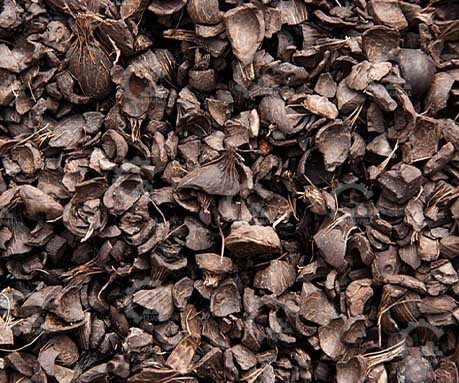
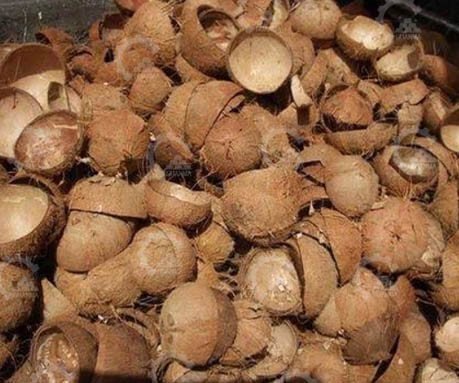
- Coconut shells
- Bamboo waste
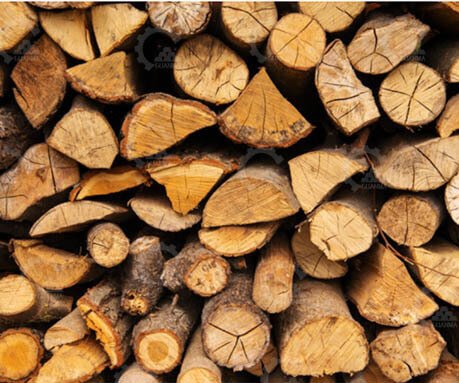
- Wood chips & pellets
- Crop straw
- Palm kernel shells
Key Characteristics:
- Low moisture content (below 20%)
- High calorific value
- Easy storage & transport
- Best suited for pyrolysis and biofuel production
👉 This makes dry waste the most profitable feedstock for waste-to-energy plants.
What is Agriculture Wet Waste?
Wet waste includes organic agricultural waste with high moisture content, typically unsuitable for pyrolysis without preprocessing.
Examples of Wet Waste:
- Fresh crop residue
- Vegetable waste
- Fruit peels
- Animal manure
Key Characteristics:
- High moisture content (above 50%)
- Requires drying or composting
- Suitable for biogas or composting, not direct pyrolysis
Agriculture Dry Waste vs Wet Waste (Comparison Table)
| Parameter | Dry Waste | Wet Waste |
|---|---|---|
| Moisture Content | Low (<20%) | High (>50%) |
| Energy Conversion | Ideal for pyrolysis | Suitable for biogas |
| Storage | Easy | Difficult |
| Transportation | Cost-effective | Expensive |
| Output Value | High (bio-oil, charcoal) | Lower energy yield |
| Processing Time | Faster | Slower |
This organic waste comparison clearly shows why dry waste is preferred for industrial energy applications.
Why Dry Waste is Best for Agro Waste Plants in India
India generates massive amounts of agricultural residue every year. However, only dry biomass can be efficiently converted into fuel using advanced technologies.
Key Advantages:
- Higher energy output
- Faster processing cycle
- Better ROI for investors
- Reduced pollution compared to burning
- Scalable across rural India
This is why most agro waste plants in India focus on dry biomass feedstock.
How JRKENERGY Converts Dry Waste into Valuable Products
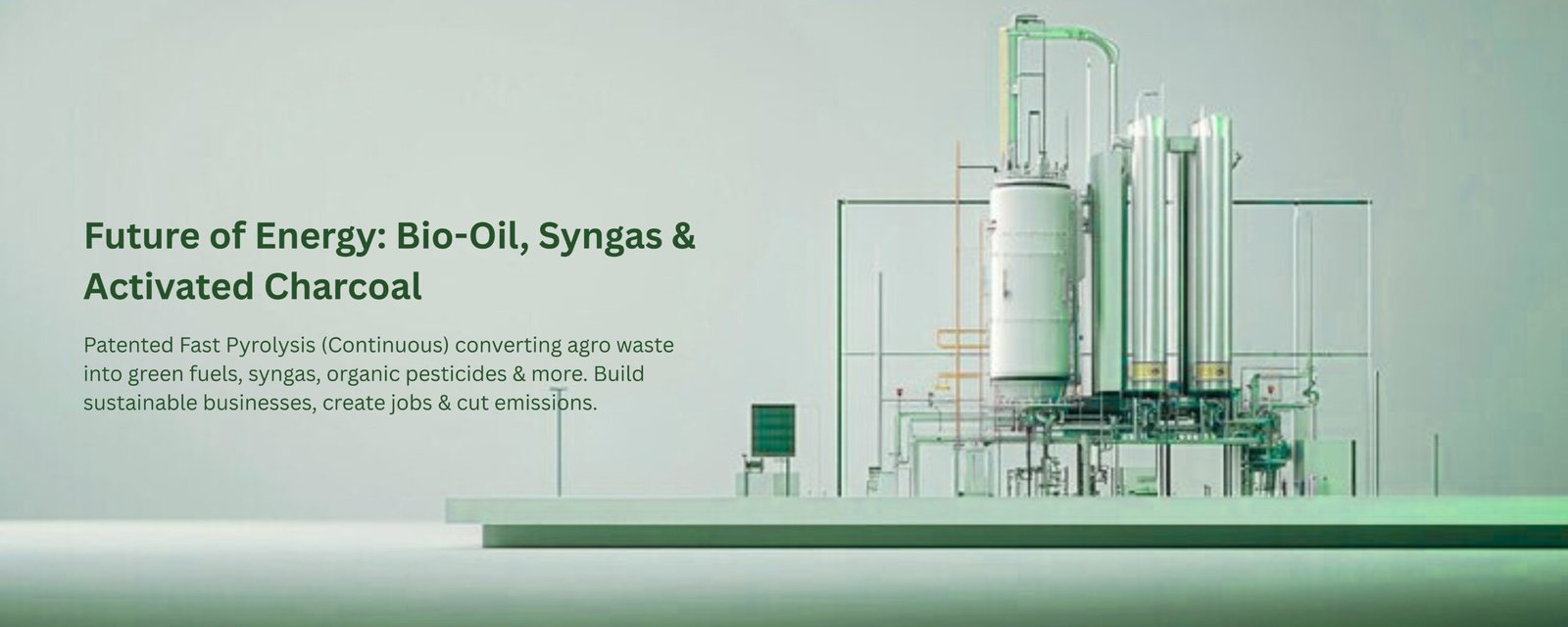
At JRKENERGY, our Fast Pyrolysis (Continuous) System ensures maximum output and zero waste.

40% Bio-Oil (₹30–40/litre)
Used in cement plants, thermal industries & foundries

30% Activated Charcoal (₹100+/kg)
Used in agriculture, cosmetics, filtration
20% Syngas (clean fuel)
Used for power generation or resale

10% Organic Pesticides
High demand in sustainable agriculture
👉 Zero waste. Maximum output. Faster ROI.
Biomass Raw Materials We Process
Our system supports a wide range of dry biomass:

Coconut Shell

Palm Kernel Shell

Wood
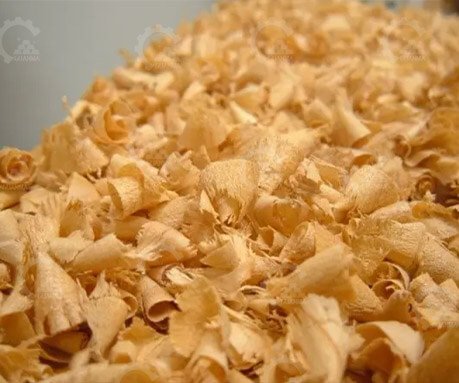
Wood Pellets
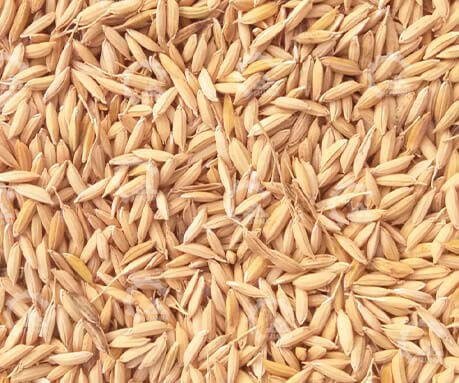
Rice Husk
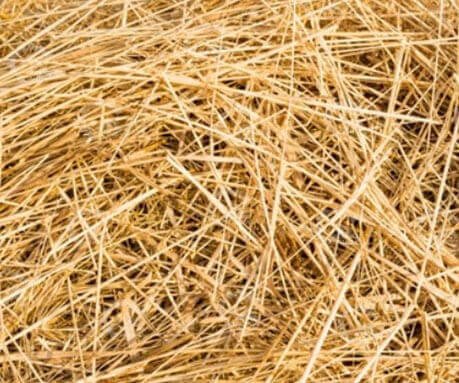
Plant Straw
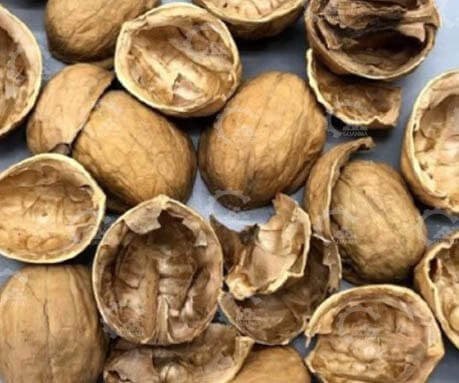
Walnut shells
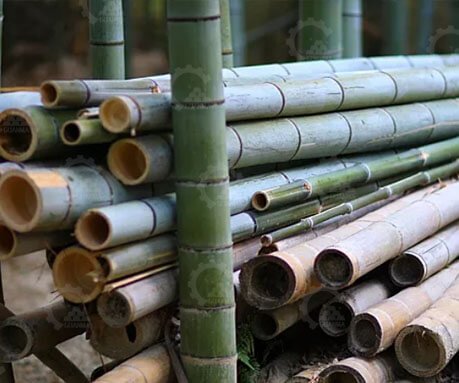
Bamboo

Our Proven Pilot Project
Bamboo waste scientifically disposal project, Nagpur, Maharashtra
Our Nagpur pilot project successfully converted bamboo waste into energy products, validated by:
- Maharashtra Bamboo Development Board
- LIT Nagpur
- NEERI
This demonstrates real-world scalability and profitability.
We are actively building a pan-India network of agro waste plants.
Market Opportunity in India

15+ lakh jobs estimated across rural India.
Reduces dependence on fossil fuels & cuts greenhouse gas emissions.

Potential ₹4-5 lakh crore industry over the next 13 years.
Who Should Invest or Partner With Us?
Investors seeking high-ROI green energy opportunities
Corporates looking for CSR impact
FPOs & farmer groups Government agencies
Conclusion
The debate of agriculture dry waste vs wet waste clearly highlights that dry biomass is the future of scalable, profitable, and sustainable energy production.
If you are planning to invest in or set up an agro waste plant in India, choosing the right feedstock and technology is critical and JRKENERGY offers the most advanced, proven solution.
FAQs
1. What is the main difference between agriculture dry waste vs wet waste?
The main difference lies in moisture content. Dry waste has low moisture and is ideal for energy production, while wet waste has high moisture and is better suited for composting or biogas.
2. Which waste is best for an agro waste plant in India?
Dry agricultural waste such as rice husk, bamboo, and coconut shells is best because it provides higher energy output and better ROI.
3. Can wet agricultural waste be used in pyrolysis plants?
Wet waste is not suitable for pyrolysis unless it is dried first, which increases processing cost and time.
4. Why is biomass classification important in waste-to-energy?
Proper biomass classification helps in selecting the right technology, improving efficiency, and maximizing output in waste-to-energy plants.
5. How does JRKENERGY help in agro waste management?
JRKENERGY provides patented Fast Pyrolysis technology that converts dry agro waste into bio-oil, charcoal, gas, and pesticides, ensuring high returns and sustainability.