

Agriculture Dry Waste Supply Chain: Collection, Storage & Transportation
Powering India’s Green Energy Future with an Efficient Agriculture Dry Waste Supply Chain
India generates millions of tonnes of agricultural residue every year. However, inefficient handling leads to burning, pollution, and loss of valuable resources. A well-structured agriculture dry waste supply chain is the key to transforming this waste into profitable energy.
At JRKENERGY, we design and implement a scalable biomass logistics India ecosystem that ensures seamless collection, safe storage, and cost-effective transportation of agro waste for energy production.
What is an Agriculture Dry Waste Supply Chain?
An agriculture dry waste supply chain refers to the systematic process of:
- Collecting crop residues from farms
- Storing biomass safely
- Transporting it efficiently to processing plants
This system ensures that agricultural waste is converted into high-value products instead of being burned.
7-Step Agriculture Dry Waste Supply Chain Model
1. Farm-Level Waste Identification
Identifying biomass sources such as:
-Rice husk
-Coconut shells
-Bamboo waste
-Crop straw
2. Aggregation & Collection
We collaborate with:
-Farmers
-FPOs
-Rural aggregators
Ensuring bulk collection of crop residues.
3. Segregation & Pre-Processing
Sorting and preparing biomass for better conversion efficiency.
4. Storage Infrastructure
Scientific storage methods prevent:
-Moisture damage
-Fire hazards
-Quality degradation
5. Transportation Network
Optimized logistics reduce cost using:
-Bulk transport systems
-Route optimization
6. Processing via Fast Pyrolysis
Collected biomass is converted using JRKENERGY’s patented system into:
-Bio-oil
-Activated charcoal
-Syngas
-Organic pesticides
7. Distribution of End Products
Final products are supplied to industries like:
-Cement plants
-Foundries
-Agriculture sector
Challenges in Biomass Logistics in India
Despite huge potential, biomass logistics India faces key challenges:
- Fragmented farm holdings
- Lack of organized collection systems
- High transportation costs
- Seasonal availability of crop residue
JRKENERGY addresses these challenges with a structured crop residue handling ecosystem.
JRKENERGY’s Advanced Biomass Supply Chain Solution
With over 10+ years of expertise, JRKENERGY provides:
✔ End-to-End Supply Chain Management
From farm to fuel production
✔ Patented Fast Pyrolysis Technology
Higher yield and zero waste processing
✔ Strong Rural Network
Connecting farmers, FPOs, and industries
✔ Scalable Infrastructure
Pan-India deployment capability
High-Value Output from Agro Waste
Our system ensures maximum value extraction:

40% Bio-Oil (₹30–40/litre)
Used in cement plants, thermal industries & foundries

30% Activated Charcoal (₹100+/kg)
Used in agriculture, cosmetics, filtration
20% Syngas (clean fuel)
Used for power generation or resale

10% Organic Pesticides
High demand in sustainable agriculture
This makes the agriculture dry waste supply chain not just sustainable but highly profitable.
Market Opportunity in India

15+ lakh jobs estimated across rural India.

Reduces dependence on fossil fuels & cuts greenhouse gas emissions.

Potential ₹4-5 lakh crore industry over the next 13 years.
Proven Success: JRKENERGY Pilot Project
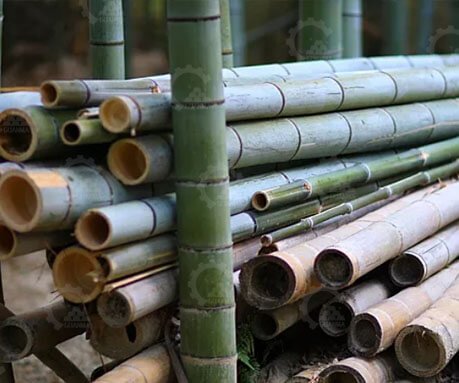
Bamboo waste scientifically disposal project, Nagpur, Maharashtra
Our Nagpur-based pilot project successfully demonstrated:
- Conversion of bamboo waste into energy
- Efficient biomass collection model
- Scalable logistics framework
We are now expanding this model across India
Who Can Benefit from This Supply Chain?
Investors – High ROI green energy projects
Corporates (CSR) – Sustainability initiatives
Government Bodies – Waste management solutions
FPOs & Farmers – Additional income streams
Partner with JRKENERGY
Ready to build a profitable and sustainable agriculture dry waste supply chain?
📞 Call: +91-9850997262 / +91-7977822981
Explore investor & CSR opportunities today
FAQs
1. What is an agriculture dry waste supply chain?
An agriculture dry waste supply chain is the process of collecting, storing, and transporting crop residues efficiently for energy production or industrial use.
2. Why is biomass logistics important in India?
Biomass logistics India is crucial to reduce stubble burning, improve waste utilization, and support renewable energy generation.
3. How is crop residue handled in this system?
Crop residue handling involves collection from farms, proper storage, and transportation to processing plants for conversion into energy products.
4. What products are generated from agro waste?
Agro waste can be converted into bio-oil, activated charcoal, syngas, and organic pesticides using advanced technologies like pyrolysis.
5. How can businesses benefit from biomass supply chains?
Businesses can reduce fuel costs, generate new revenue streams, and meet sustainability goals through an efficient biomass supply chain.