

Agriculture Dry Waste Management in India: Challenges & Solutions
Introduction
India generates millions of tons of agricultural dry waste every year yet most of it is either burned or left unused. This creates severe environmental damage, air pollution, and economic loss.
Agriculture dry waste management is no longer just an option it’s a national necessity.
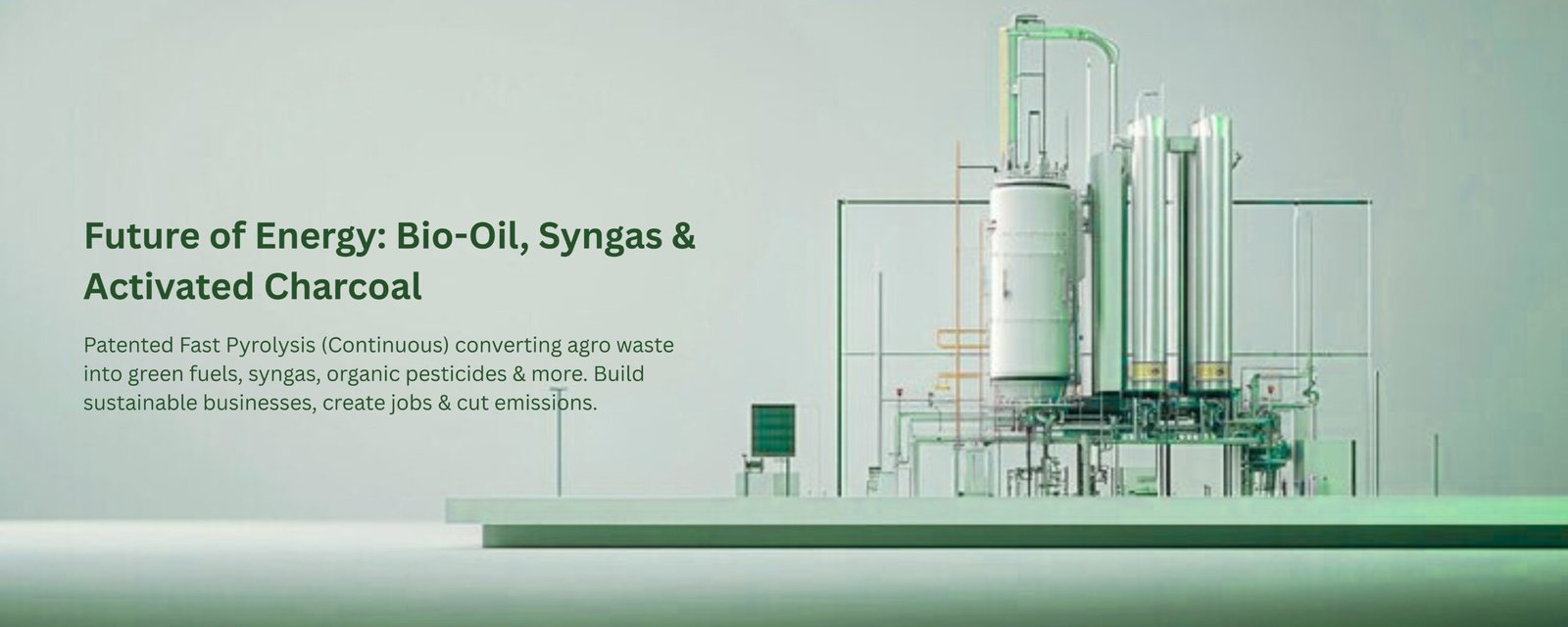
At JRKENERGY, we provide a scalable, profitable, and eco-friendly solution to transform agro waste into valuable energy products using our patented Fast Pyrolysis (Continuous) System.
What is Agriculture Dry Waste?
Agriculture dry waste is solid organic waste generated after harvesting or processing crops.
It includes:
- Crop leftovers (straw, stalks)
- Processing waste (husk, shells)
- Forestry & plantation waste
Unlike wet waste, it has low moisture content and is ideal for biomass energy conversion.
Challenges in Agriculture Dry Waste Management in India
1. Stubble Burning Crisis
Farmers often burn crop residue due to lack of cost-effective alternatives.
2. Lack of Infrastructure
Limited access to modern crop residue management India solutions.
3. Low Awareness & ROI Visibility
Farmers and industries are unaware of the revenue potential in agro waste.
4. Environmental Impact
Air pollution (PM2.5 increase)
Soil degradation
Greenhouse gas emissions
Raw Material ( JRKENERGY )
Biomass Raw Material

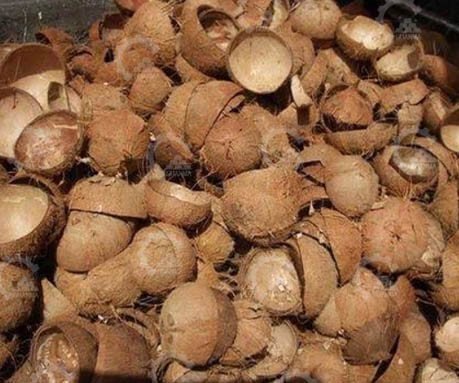
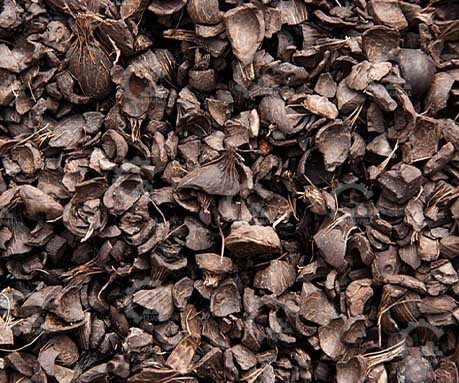
Coconut Shell

Palm Kernel Shell
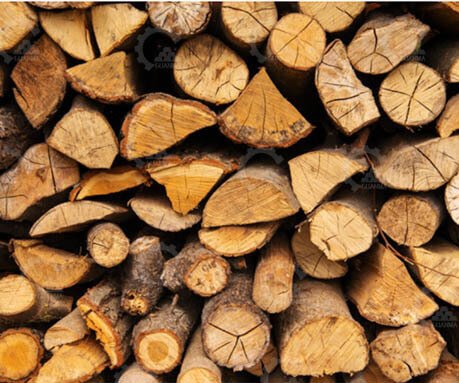
Wood
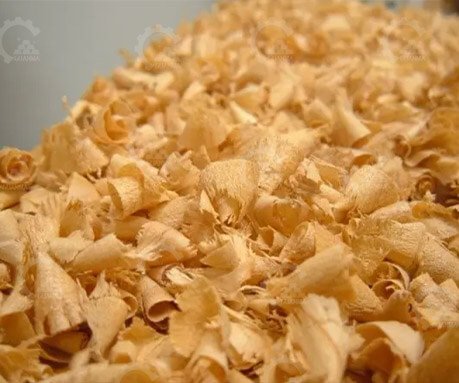
Wood Pellets
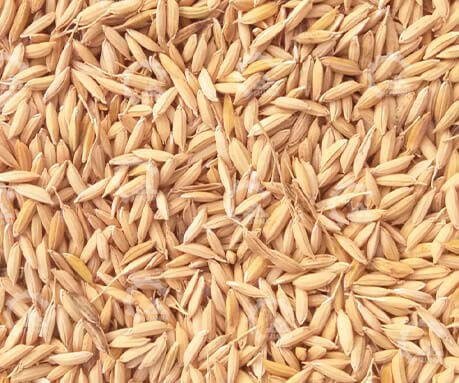
Rice Husk
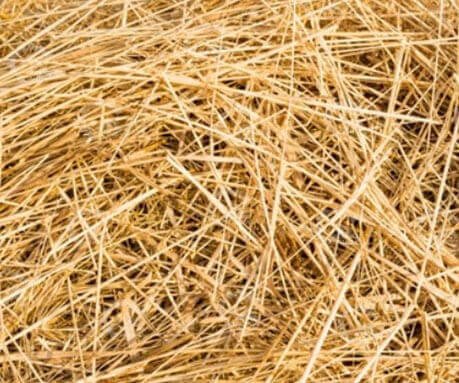
Plant Straw

Walnut shells
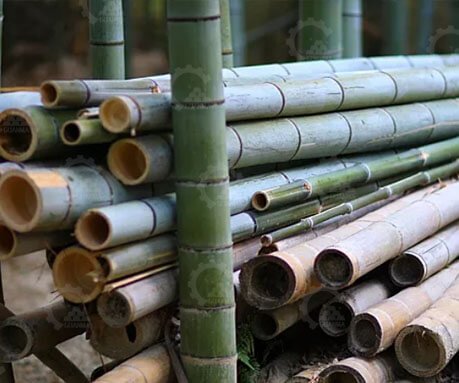
Bamboo
Advanced Solution: Fast Pyrolysis Technology by JRKENERGY
JRKENERGY offers a revolutionary approach to agriculture dry waste management using its patented system.
Our Fast Pyrolysis (Continuous) System converts agro waste into multiple high-value outputs:

40% Bio-Oil (₹30–40/litre)
Used in cement plants, thermal industries & foundries

30% Activated Charcoal (₹100+/kg)
Used in agriculture, cosmetics, filtration
20% Syngas (clean fuel)
Used for power generation or resale

10% Organic Pesticides
High demand in sustainable agriculture
👉 Zero waste. Maximum output. Faster ROI.
Massive Market Opportunity in India

15+ lakh jobs estimated across rural India.

Reduces dependence on fossil fuels & cuts greenhouse gas emissions.

Potential ₹4-5 lakh crore industry over the next 13 years.
This makes agriculture dry waste management one of the most lucrative and impactful sectors today.
Proven Pilot Project in Maharashtra
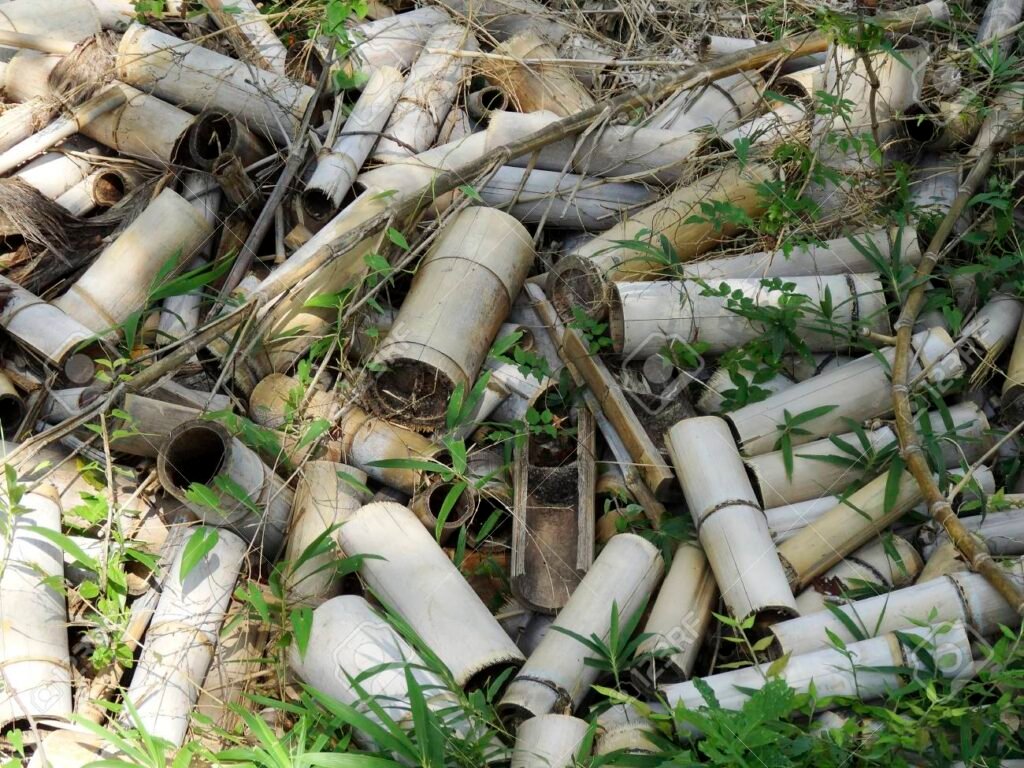
Bamboo waste scientifically disposal project, Nagpur, Maharashtra
JRKENERGY successfully executed a pilot project in Nagpur:
- Bamboo waste converted into energy products
- Backed by Maharashtra Bamboo Development Board
- Supported by LIT Nagpur & NEERI
- Witnessed by government officials
We are now scaling this model across India.
Who Should Partner With Us ?
Investors & Equity Partners
High ROI, scalable green energy projects
Corporates & CSR
Drive measurable sustainability impact
FPOs & Government
Monetize agro waste and empower farmers
Get Started with Agriculture Dry Waste Management
Looking to invest or set up an agro waste plant in India?
JRKENERGY is your trusted technology partner.
FAQs
1. What is agriculture dry waste management?
Agriculture dry waste management refers to the process of collecting, processing, and converting crop residue and biomass waste into useful products like energy, fuel, and fertilizers.
2. How is crop residue managed in India?
Crop residue management in India includes methods like mulching, composting, and advanced technologies like pyrolysis to convert waste into biofuel and charcoal.
3. What is the best solution for agro waste disposal?
The most efficient agro waste disposal method is pyrolysis, which converts biomass into bio-oil, syngas, and charcoal with high economic returns.
4. Is agriculture dry waste profitable?
Yes, agriculture dry waste management is highly profitable, generating multiple revenue streams from bio-oil, charcoal, and gas, making it attractive for investors.
5. How can I set up an agro waste plant in India?
You can partner with technology providers like JRKENERGY, who offer end-to-end solutions, including setup, technology, and ROI planning.