India is facing a growing waste management challenge. From agricultural residue and plastic waste to industrial by-products and municipal solid waste, the pressure on landfills and traditional disposal methods is increasing every year. This is where waste-to-energy technologies are becoming more important. Among them, pyrolysis stands out as an innovative and practical solution. If you are searching for what is pyrolysis and how it works, this guide explains the concept in a simple, practical, and business-focused way for the Indian market.
Pyrolysis is a thermal decomposition process that converts waste materials into useful products such as fuel oil, syngas, and char. Unlike incineration, it works in the absence of oxygen, which makes it a cleaner and more controlled technology for waste conversion. For industries, municipalities, and waste management companies in India, pyrolysis offers a smart path toward sustainable energy generation and efficient waste disposal.
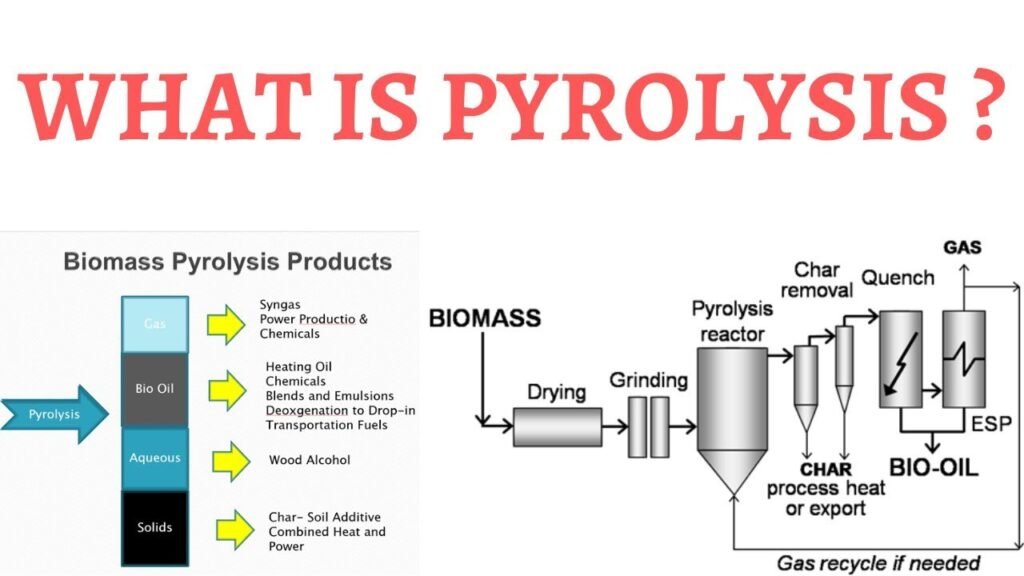
What Is Pyrolysis?
Pyrolysis is a process in which organic materials are heated at high temperatures without oxygen. Because there is no oxygen present, the material does not burn. Instead, it breaks down chemically into smaller molecules. These molecules can then be collected in different forms, mainly as:
- Pyrolysis oil
- Syngas
- Biochar or carbon char
This process is widely used for converting biomass, plastic waste, rubber waste, and other carbon-rich materials into energy and reusable by-products.
In simple words, if someone asks what is pyrolysis and how it works, the answer is that pyrolysis transforms waste into useful energy products by heating it in an oxygen-free environment.
How Pyrolysis Works in Waste to Energy
To understand what is pyrolysis and how it works, it is important to look at the process step by step.
1. Waste Collection and Segregation
The first step is collecting suitable waste materials. Not all waste is ideal for pyrolysis. The process works best with carbon-rich feedstock such as:
- Plastic waste
- Agricultural biomass
- Tyres and rubber waste
- Wood waste
- Sewage sludge
- Industrial organic waste
Segregation is important because moisture, metal, glass, and inert materials can affect the efficiency of the system.
2. Feedstock Preparation
After segregation, the waste is dried and sometimes shredded into smaller pieces. Uniform feedstock size helps maintain consistent heating and improves the overall conversion efficiency of the pyrolysis reactor.
3. Heating in an Oxygen-Free Reactor
The prepared material is fed into a pyrolysis reactor where it is heated to temperatures generally ranging from 300°C to 900°C, depending on the type of waste and the desired output. Since oxygen is absent, combustion does not happen. Instead, the material decomposes thermally.
This is the core answer to what is pyrolysis and how it works: waste is heated without oxygen so it breaks down into valuable energy products.
4. Production of Oil, Gas, and Char
During the heating process, the waste material releases vapours and gases. These are cooled and condensed into pyrolysis oil. The non-condensable gases become syngas, which can often be reused to power the system itself. The solid residue left behind is char.
Each output has its own commercial and industrial value:
- Pyrolysis oil can be used as an alternative fuel in some industrial applications
- Syngas can support internal energy needs of the plant
- Char may be used in fuel applications, soil enhancement, or carbon-related industries depending on feedstock quality
5. Energy Recovery and End Use
The final stage is utilizing these outputs for energy generation or industrial use. This is what makes pyrolysis a waste-to-energy solution rather than just a waste treatment process.
Why Pyrolysis Is Important in India
India generates huge quantities of waste every day, and conventional disposal systems are under pressure. Landfills are overflowing, open burning creates pollution, and many waste streams remain underutilized. Pyrolysis provides an alternative that aligns well with India’s sustainability and circular economy goals.
Here is why pyrolysis is especially relevant in India:
Reduces Landfill Burden
Pyrolysis can significantly reduce the volume of waste going to landfills. This is important for urban areas where land is limited and landfill expansion is costly.
Supports Renewable and Alternative Energy Goals
By converting waste into oil, gas, and char, pyrolysis contributes to cleaner energy alternatives and reduces dependence on fossil fuels.
Useful for Agricultural and Plastic Waste
India produces large volumes of crop residue and plastic waste. Pyrolysis can help process both streams more effectively while creating useful energy outputs.
Encourages Resource Recovery
Instead of treating waste as a problem, pyrolysis treats it as a resource. This shift is essential for long-term environmental and economic sustainability.
Benefits of Pyrolysis Technology
When businesses and industries explore what is pyrolysis and how it works, they are usually also interested in the benefits. Here are the most important advantages:
Benefits of Pyrolysis Technology in Waste Management
1. Lower Emissions Compared to Open Burning
Because pyrolysis happens in a controlled reactor without direct combustion, emissions can be lower than open waste burning or poorly managed incineration.
2. Converts Waste into Valuable Products
Pyrolysis does not just destroy waste. It converts waste into marketable outputs like fuel oil, gas, and char, creating additional value.
3. Suitable for Multiple Waste Streams
It can process different types of organic and carbon-based waste, making it a versatile solution for India’s mixed waste challenges.
4. Helps Build a Circular Economy
Pyrolysis supports reuse, recovery, and resource optimization. This makes it an important technology for circular economy initiatives.
5. Potential for Industrial ROI
For businesses generating large amounts of plastic, biomass, or rubber waste, pyrolysis can reduce disposal costs and create energy value from waste.
Common Applications of Pyrolysis
Pyrolysis technology is being explored and adopted across multiple sectors. In India, common applications include:
- Plastic waste to fuel projects
- Biomass conversion for rural and industrial energy
- Tyre pyrolysis for oil and carbon recovery
- Industrial waste treatment
- Agricultural residue management
For sectors facing rising waste disposal costs, understanding what is pyrolysis and how it works can open up new opportunities for sustainability and cost efficiency.
Pyrolysis vs Incineration
A common question is how pyrolysis differs from incineration.
Pyrolysis:
- Happens without oxygen
- Produces oil, gas, and char
- Focuses on resource recovery
- More controlled conversion process
Incineration:
- Happens with oxygen
- Burns waste directly
- Mainly produces heat and ash
- Often associated with higher direct emissions if not managed properly
This distinction is important when explaining what is pyrolysis and how it works to industries looking for cleaner waste-to-energy methods.
Challenges of Pyrolysis Technology
While pyrolysis offers strong potential, it is not without challenges. A realistic and rankable blog should include this for trust and authority.
Feedstock Quality Matters
Mixed or contaminated waste can reduce efficiency and output quality. Proper segregation is essential.
Initial Investment Can Be High
Setting up a pyrolysis plant requires capital for technology, infrastructure, pollution control, and operations.
Regulatory Compliance Is Necessary
In India, waste-to-energy projects must align with environmental and pollution control norms. Compliance is critical for long-term success.
Output Utilization Needs Planning
The value of pyrolysis depends on how effectively the oil, gas, and char are used or sold. Market linkage and industrial application matter.
The Future of Pyrolysis in India
The future of pyrolysis in India looks promising, especially as industries and local authorities search for scalable waste management solutions. Growing environmental awareness, pressure on landfills, and demand for alternative energy sources are creating the right conditions for wider adoption.
For sectors such as manufacturing, agriculture, municipal waste management, and recycling, pyrolysis can become a practical part of an integrated waste-to-energy strategy. As technology improves and awareness grows, more Indian businesses are likely to invest in pyrolysis-based systems.
Understanding what is pyrolysis and how it works is essential for anyone involved in waste management, sustainability, energy recovery, or industrial operations in India. Pyrolysis is a modern waste-to-energy technology that converts carbon-rich waste into valuable outputs such as oil, syngas, and char through heating in the absence of oxygen.
For India, this technology offers a powerful opportunity to reduce landfill dependency, recover energy from waste, and support cleaner environmental practices. While successful implementation depends on proper feedstock selection, process design, and compliance, pyrolysis has clear potential as a smart solution for the future of waste management.
Businesses that adopt the right waste-to-energy systems today can build both environmental and commercial advantages for tomorrow.